Cosmetic Certifications Explained
What cosmetic certifications do you need to sell beauty products internationally? This guide explains ISO 22716, GMP, Halal, FDA MoCRA, EU cosmetic compliance, and other important requirements for beauty brands working with an OEM/ODM manufacturer.
Why Are Cosmetic Certifications Important?
When launching a beauty brand, product quality is only one part of the process. Your cosmetics also need to meet the regulatory and quality requirements of the markets where you plan to sell.
The exact requirements depend on the product, ingredients, target country, and sales channel. This is why choosing an experienced cosmetic manufacturer with quality management and international market experience can make the development process much easier.
It is also important to understand that not every regulatory requirement is technically a “certification.” Some are manufacturing standards, some are registrations or notifications, and others are product testing or documentation requirements.
ISO 22716: Cosmetic GMP Standard
ISO 22716 is one of the most widely recognized international standards for Good Manufacturing Practices (GMP) in cosmetics.
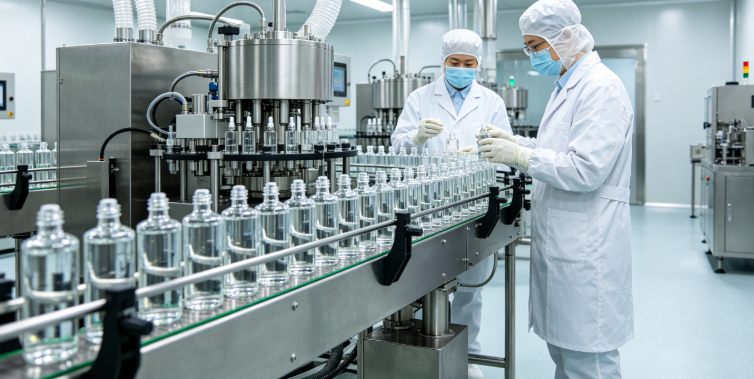
It provides guidelines for areas such as production, quality control, storage, documentation, and handling of cosmetic products.
For beauty brands, working with a manufacturer following ISO 22716 principles can provide greater confidence in manufacturing consistency and quality management.
When evaluating a cosmetic factory, brands should ask for a valid certificate and check the issuing organization, certificate scope, and expiration date.
GMP: Good Manufacturing Practice
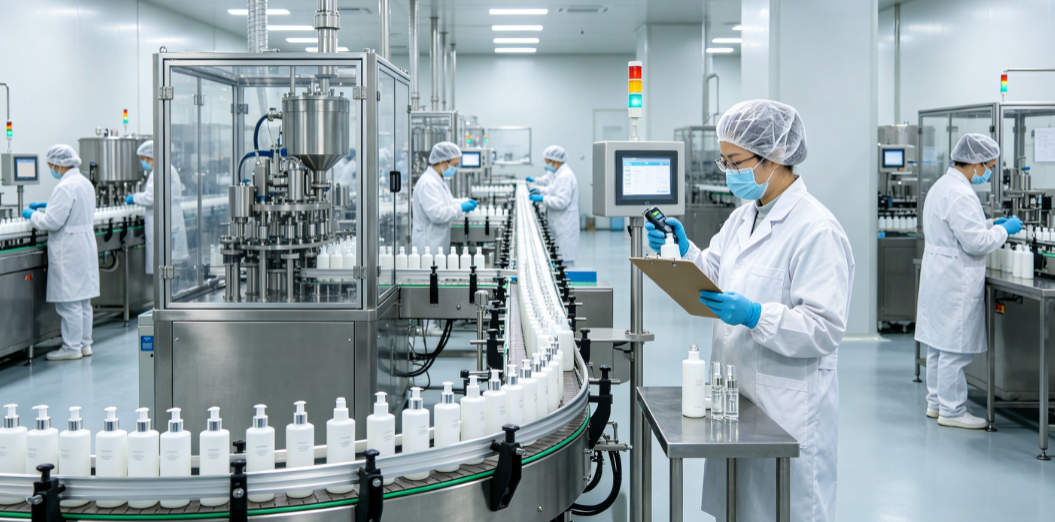
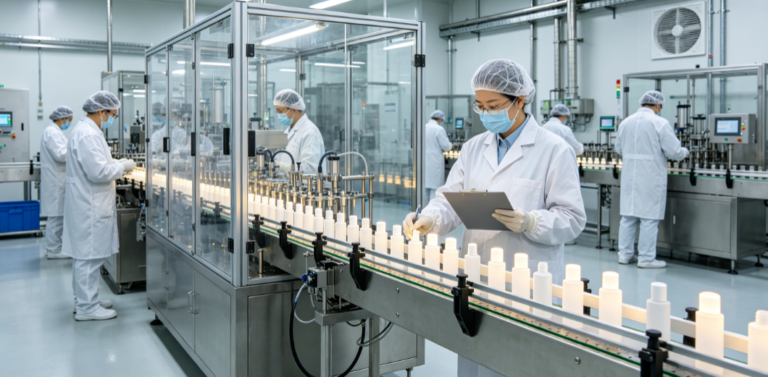
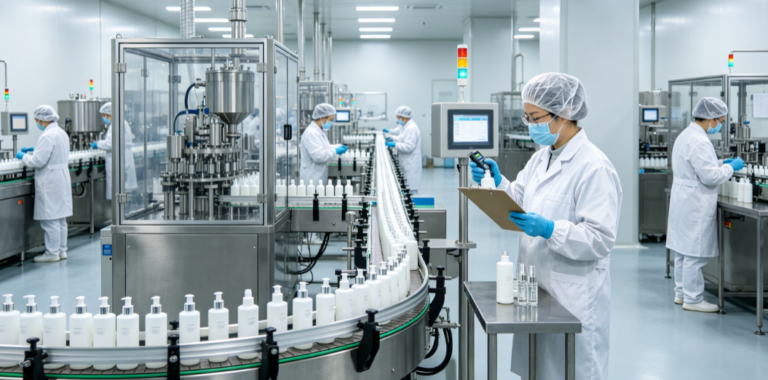
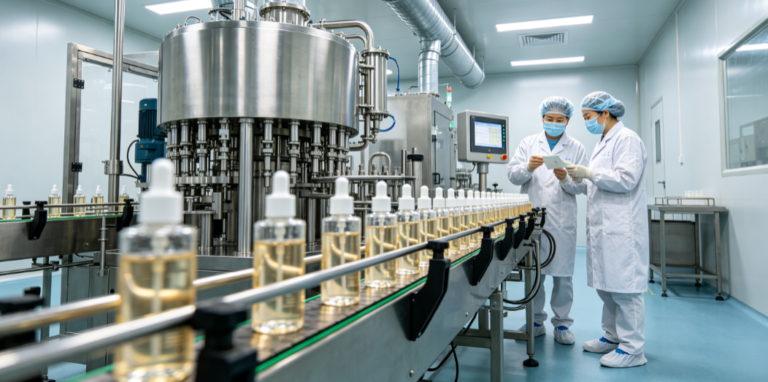
GMP stands for Good Manufacturing Practice. It focuses on controlling the manufacturing environment and processes to help ensure products are consistently produced and controlled according to appropriate quality standards.
For cosmetics, GMP can cover areas including:
- Raw material management
- Production procedures
- Equipment and facilities
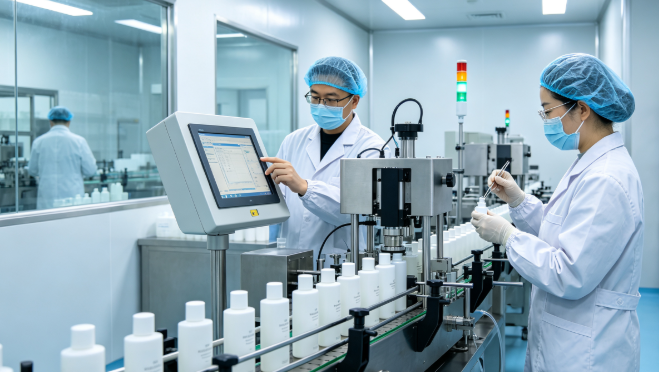
- Quality control
- Personnel and hygiene
- Storage and transportation
- Documentation and traceability
GMP requirements and implementation can vary by market, so brands should confirm the specific requirements for their target country.
Halal Certification for Cosmetics
Halal certification can be important for beauty brands targeting Muslim consumers and markets where Halal products have strong demand.
Depending on the certification system, the assessment may consider ingredients, production processes, storage, handling, and contamination controls.
Brands planning to sell cosmetics in parts of Southeast Asia, the Middle East, or other markets with strong Halal demand should discuss Halal requirements with their manufacturer at the beginning of product development.
Choosing suitable raw materials and planning the manufacturing process early can make Halal certification more efficient.
FDA and MoCRA: What Beauty Brands Should Know
For cosmetics sold in the United States, it is important to understand the difference between FDA requirements and a traditional product certification.
Under the Modernization of Cosmetics Regulation Act of 2022 (MoCRA), certain cosmetic product facilities must register with FDA, and the responsible person generally must submit cosmetic product listings for marketed products, subject to applicable exemptions.
FDA facility registration and cosmetic product listing are regulatory submissions, not FDA product approval or an FDA “cosmetic certificate.” FDA itself states that facility registration and product listing are neither a cosmetic approval program nor a promotional tool.
Brands selling cosmetics in the U.S. should therefore work with an experienced manufacturer and regulatory partner to understand applicable registration, listing, labeling, safety, and other MoCRA requirements.
EU Cosmetic Compliance and CPNP
The European Union has its own regulatory framework for cosmetic products. Brands selling cosmetics in the EU need to consider requirements such as product safety assessment, responsible person arrangements, product information files, compliant labeling, and notification through the Cosmetic Products Notification Portal (CPNP) where applicable.
CPNP is a notification system rather than a traditional cosmetic “certificate.” The compliance process should be planned before products are placed on the EU market.
An experienced OEM/ODM manufacturer can help provide product information, ingredient details, specifications, and supporting documentation needed for the compliance process.
Other Cosmetic Certifications and Documents
Depending on your target market and product category, customers may also need additional certificates, testing reports, declarations, or supporting documents.
These may include:
- Product safety documentation
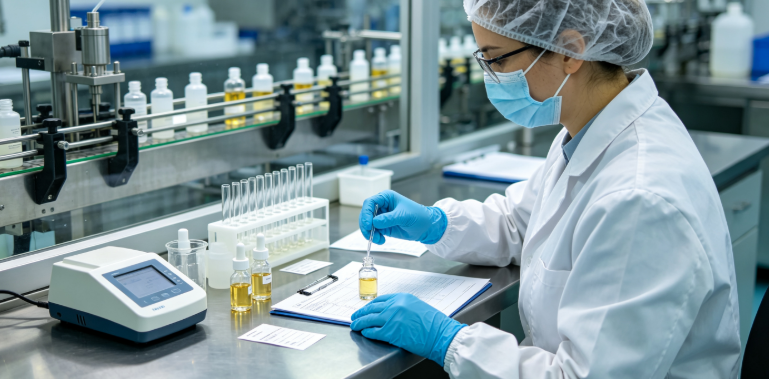
- Microbiological testing
- Stability testing
- Heavy metal testing where applicable
- Ingredient documentation
- Certificate of Analysis (COA)
- Material and packaging documentation
- Market-specific compliance documents
The exact requirements should be determined according to the destination market and the specific cosmetic product.
Which Cosmetic Certifications Do You Need?
There is no single certification package that applies to every beauty brand.
| Market | Important Considerations |
|---|---|
| United States | MoCRA requirements, facility registration and product listing where applicable, labeling and safety requirements |
| European Union | EU cosmetic regulation, safety assessment, responsible person, PIF, labeling and CPNP notification where applicable |
| United Kingdom | UK cosmetic regulations, responsible person, safety documentation, labeling and SCPN notification where applicable |
| Middle East & Muslim Markets | Halal requirements may be important depending on the market and product |
| Other International Markets | Local cosmetic regulations, product documentation, testing and notification requirements may apply |
The best approach is to identify your target markets before finalizing your formula and packaging. This allows regulatory requirements to be considered during product development instead of after production.
What Should You Ask a Cosmetic Manufacturer?
Before choosing an OEM/ODM factory, ask for clear information about its quality management system, certifications, manufacturing capabilities, and regulatory support.
Useful questions include:
- What quality certifications does the factory currently hold?
- Can you provide valid certification documents?
- Which international markets do you currently serve?
- Can you provide ingredient and product documentation?
- Can you support market-specific compliance requirements?
- How does your QC team manage raw materials and finished products?
- Can you support product testing and regulatory documentation?
Do not only look at the number of certificates. The manufacturer’s production system, quality control, documentation, and experience with your target market are equally important.

Why Choose Guangzhou Choice Biological Technology?
Guangzhou Choice Biological Technology Co., Ltd. is a professional cosmetics OEM/ODM manufacturer helping global beauty brands develop and manufacture customized cosmetics since 2012.
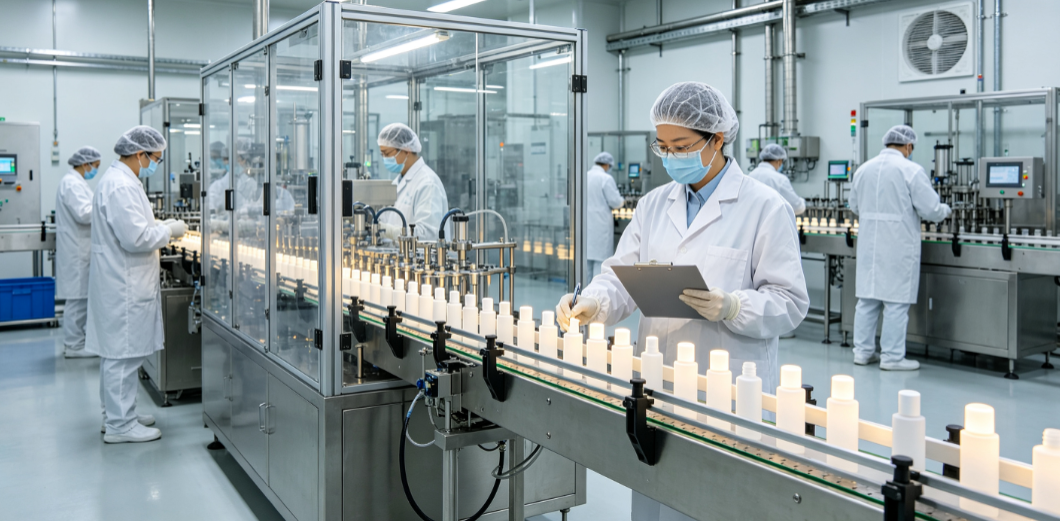
Our 20,000㎡ manufacturing facility has more than 200 employees and 12 production lines. We provide one-stop OEM/ODM services covering formula development, packaging customization, production, quality control, and delivery support.
Our quality and compliance capabilities include:
- ISO 22716
- GMPC
- Halal certification
- Professional quality control team
- International market compliance support
We maintain more than 5,000 mature formulas and have a professional R&D team with 10+ members. Our packaging design team also supports brands with customized packaging solutions.
Our team can assist customers with product documentation and market-specific compliance requirements, including support for EU and U.S. cosmetic compliance processes.
Our main product focus is facial makeup, including foundation, cushion foundation, concealer, powder, blush, highlighter, eyeshadow, primer, lipstick, lip gloss, lip oil, and other color cosmetics.
Plan Compliance From the Beginning
Cosmetic compliance should not be treated as the final step before shipment. It should be considered from the beginning of product development.
Your formula, ingredients, packaging, claims, labeling, and target market can all affect the compliance process.
By discussing your target markets with your OEM/ODM manufacturer at the beginning, you can reduce unnecessary formula changes, packaging revisions, and unexpected delays later.
Final Thoughts
Cosmetic certifications and regulatory requirements can seem complicated, especially when you plan to sell products internationally. The key is to understand which requirements apply to your specific products and target markets.
ISO 22716 and GMP focus on manufacturing quality systems, Halal certification may be important for specific markets, while U.S. and EU cosmetics are subject to their own regulatory requirements and submission processes.
Choosing an experienced OEM/ODM manufacturer can make product development and compliance planning much easier.
Need help with cosmetic certification and market compliance?