
How to Create a Private Label Makeup Line for a New Beauty Brand
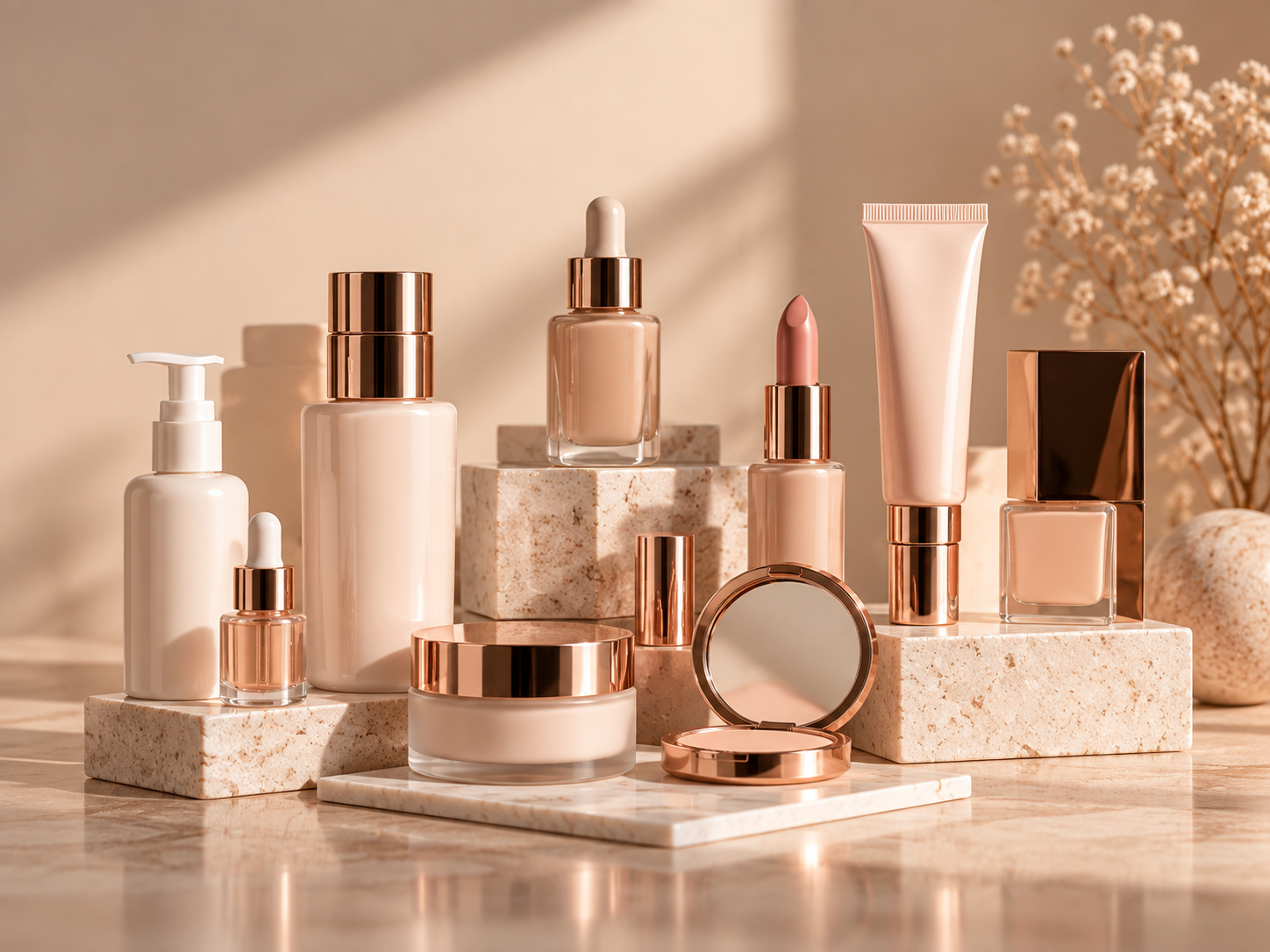
Starting a private label makeup line can be a practical way for new beauty brands to bring their own products to market without building a manufacturing facility from scratch. With the right cosmetic manufacturer, brands can develop products, customize packaging, add their own branding, and prepare a complete makeup collection for launch.
From choosing the right products to approving samples and starting mass production, this guide explains the key steps involved in creating a private label makeup line.
What Is Private Label Makeup?
Private label makeup refers to cosmetic products manufactured by a third-party factory and sold under a brand’s own name.
Instead of developing every product and manufacturing process independently, a beauty brand can work with a private label cosmetics manufacturer that already has formulas, packaging options, production equipment, and manufacturing expertise.
Depending on the manufacturer’s capabilities, brands may be able to customize product shades, textures, packaging, logos, labels, and other details.
1. Define Your Target Customer
Before selecting products, define who your makeup line is designed for.
Consider factors such as:
- Target age group
- Gender and consumer profile
- Price range
- Target country or region
- Preferred makeup styles
- Skin tones and shade preferences
- Shopping habits
For example, a brand targeting young consumers may focus on colorful eyeshadows, lip products, blushes, and highlighters, while a minimalist beauty brand may focus on neutral shades and everyday makeup products.
2. Choose Your Private Label Makeup Products
The next step is deciding which products should be included in your initial collection.
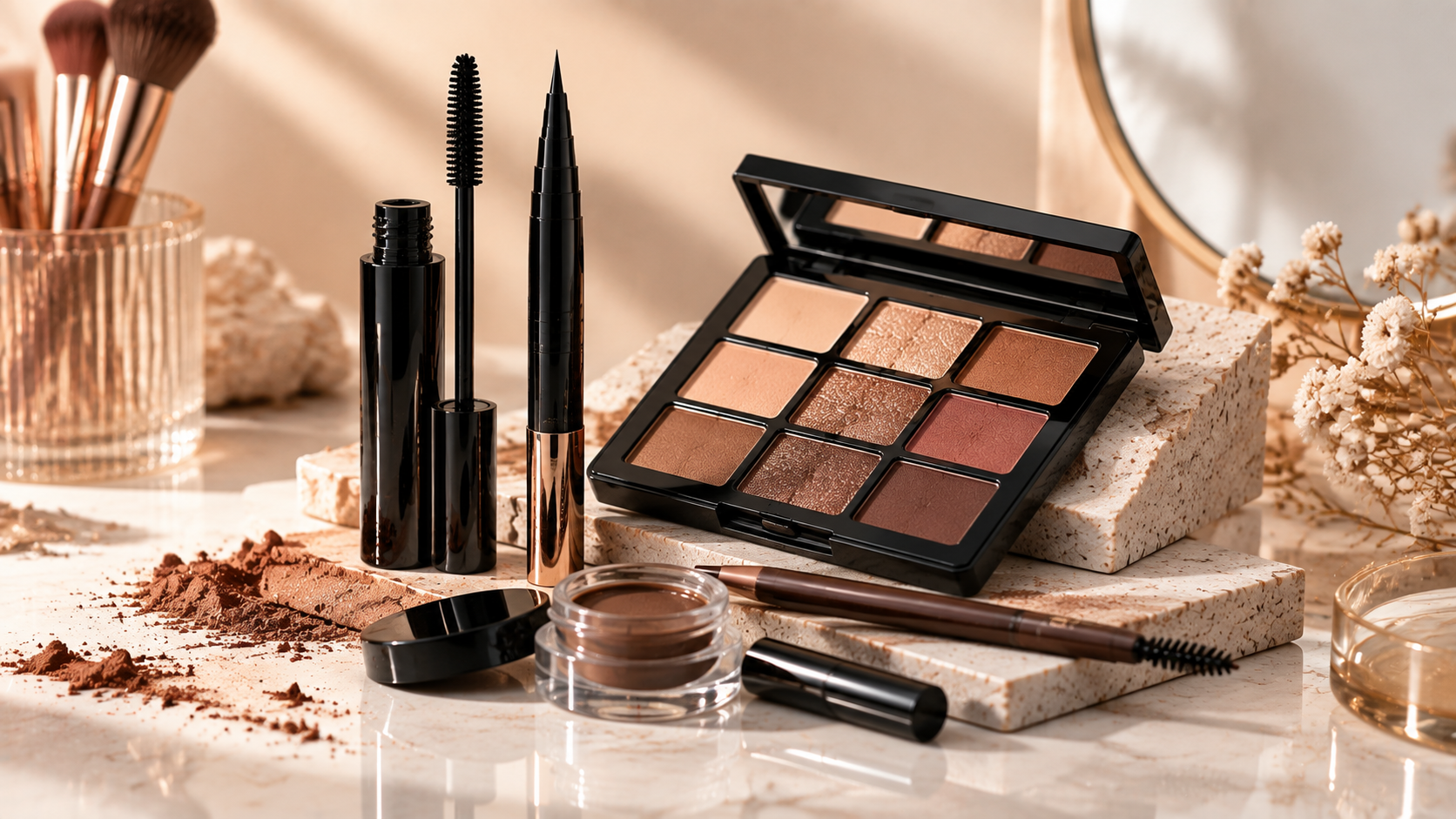
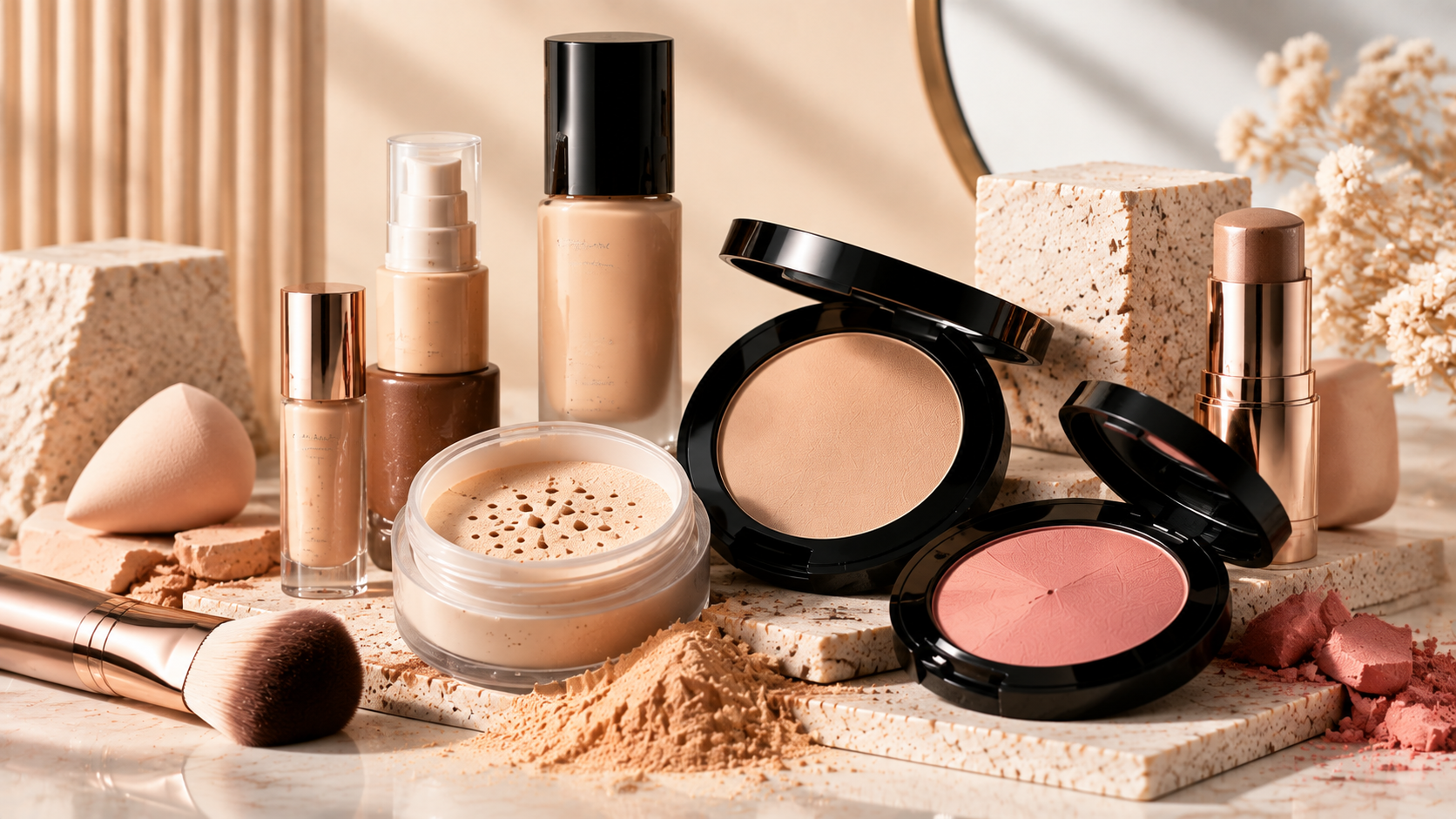
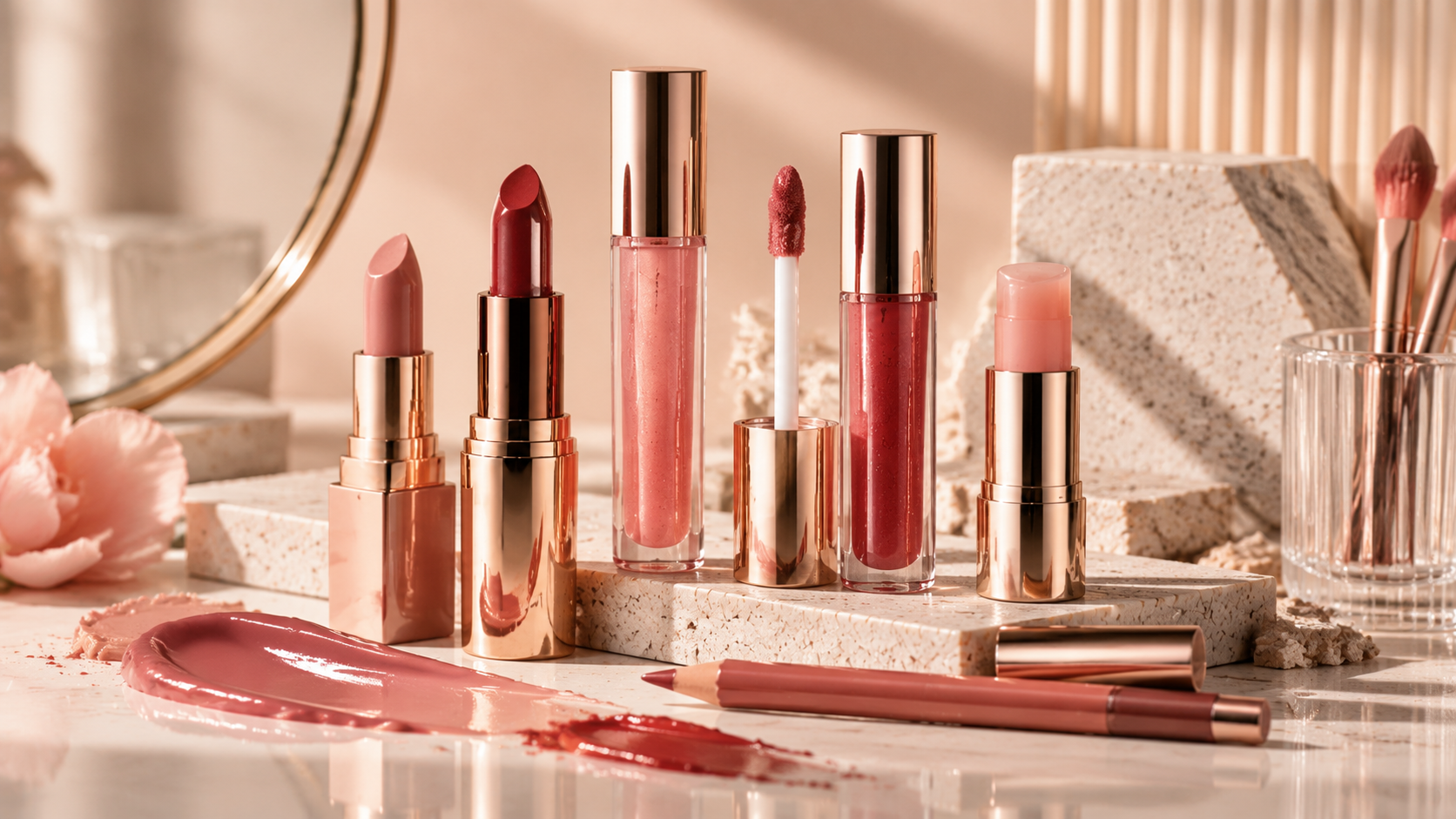
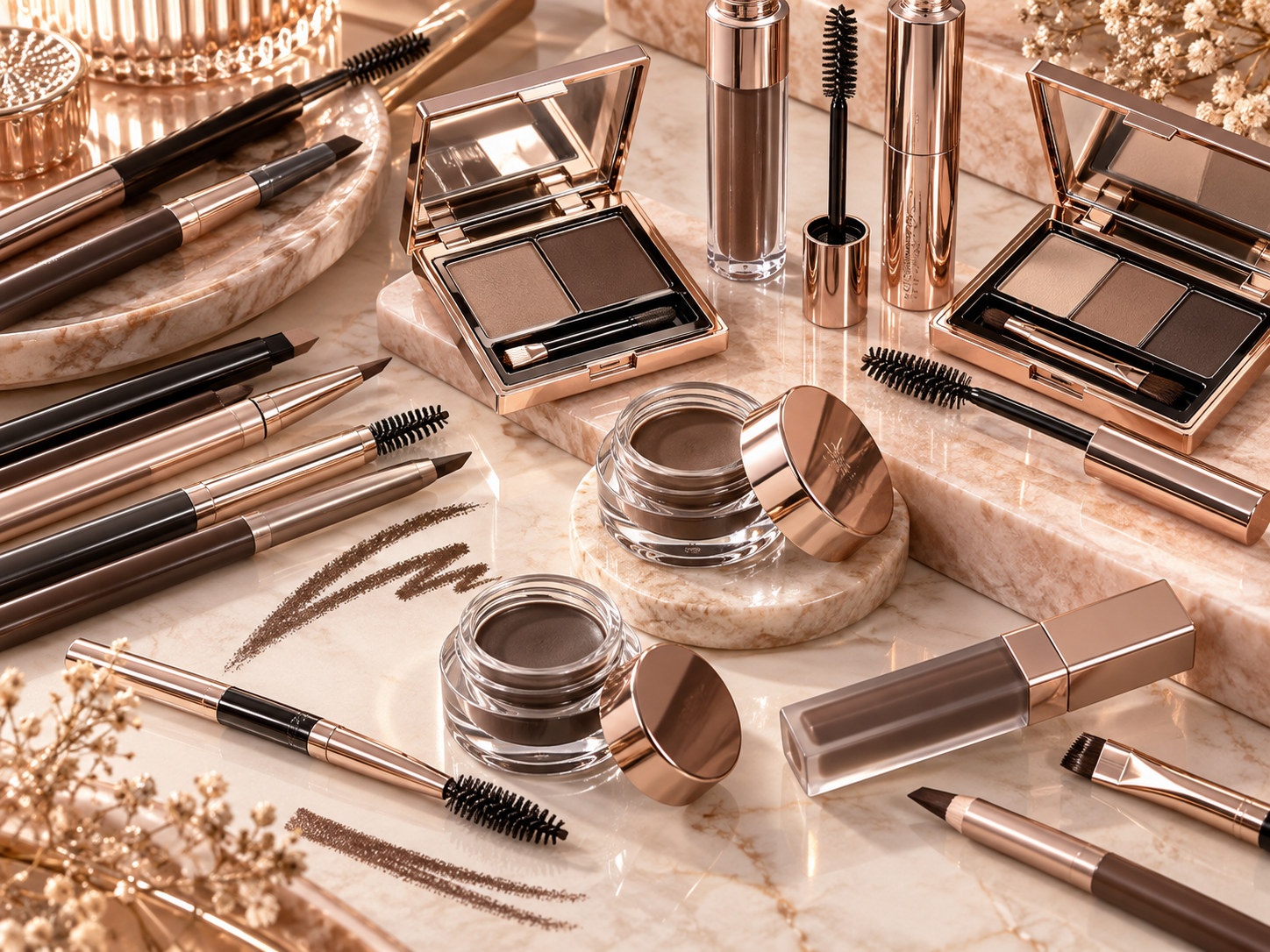
Popular private label makeup products include:
- Lipstick
- Lip gloss
- Lip liner
- Liquid blush
- Powder blush
- Highlighter
- Contour products
- Eyeshadow palettes
- Liquid eyeshadow
- Mascara
- Eyeliner
- Foundation
- Concealer
- Setting spray
New brands do not necessarily need to launch a large collection at once. Starting with a smaller group of carefully selected products can make it easier to manage development, inventory, marketing, and customer feedback.
3. Choose Existing Formulas or Develop Custom Formulas
One of the advantages of working with an experienced private label makeup manufacturer is having access to existing cosmetic formulas.
Existing formulas can help brands shorten the development process when the formula already meets their requirements.
For brands looking for a more distinctive product, an OEM/ODM manufacturer can also customize the formula according to the desired texture, finish, pigmentation, coverage, color, or other performance requirements.
For example, an eyeshadow brand may request a specific combination of matte, shimmer, metallic, or wet-effect formulas. A lip product brand may require a particular balance between color payoff, shine, comfort, and wear.
4. Select Your Packaging
Packaging plays an important role in the appearance and positioning of a makeup brand.
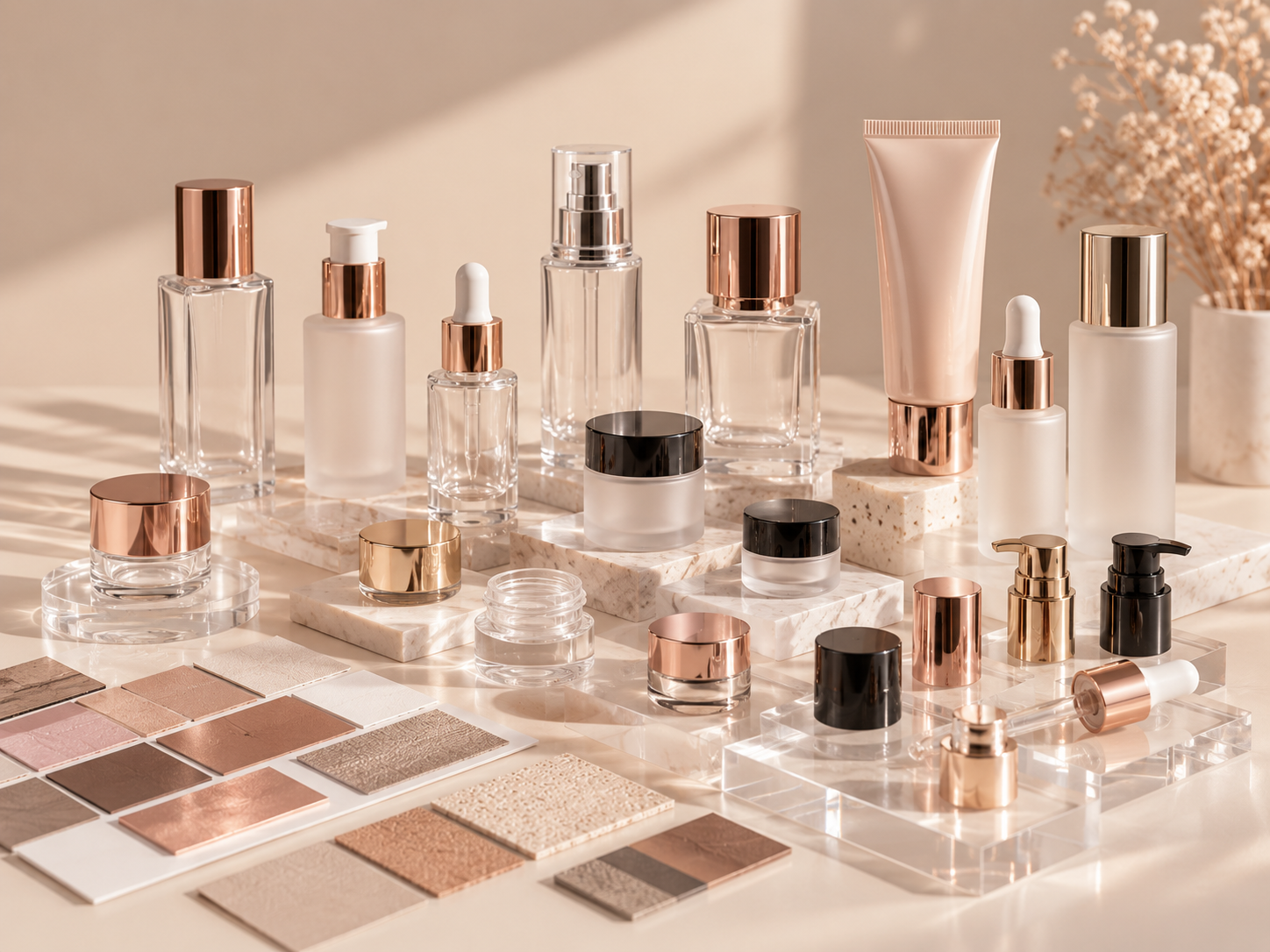
Depending on your budget and product concept, you can choose from stock packaging or develop customized packaging.
Stock Packaging
Stock packaging is already available and can usually be customized with your logo, label, colors, or other branding elements. It can be a practical choice for new brands that want to control development costs and launch products more quickly.
Custom Packaging
Custom packaging is developed specifically for your brand. It can include customized shapes, materials, colors, printing, finishes, mirrors, pans, boxes, and other components.
Custom packaging can create a more distinctive brand identity, but it may require additional development time, tooling, and minimum quantities.
5. Create Your Brand Identity
Your private label makeup products should have a consistent visual identity.
Important elements may include:
- Brand logo
- Brand colors
- Typography
- Packaging design
- Product names
- Shade names
- Labels and product information
Keeping these elements consistent across different products can help create a recognizable makeup collection.
6. Request Product Samples
Samples are an important part of private label makeup development.
Before placing a mass production order, brands should evaluate the formula, color, texture, packaging, and overall appearance of the product.
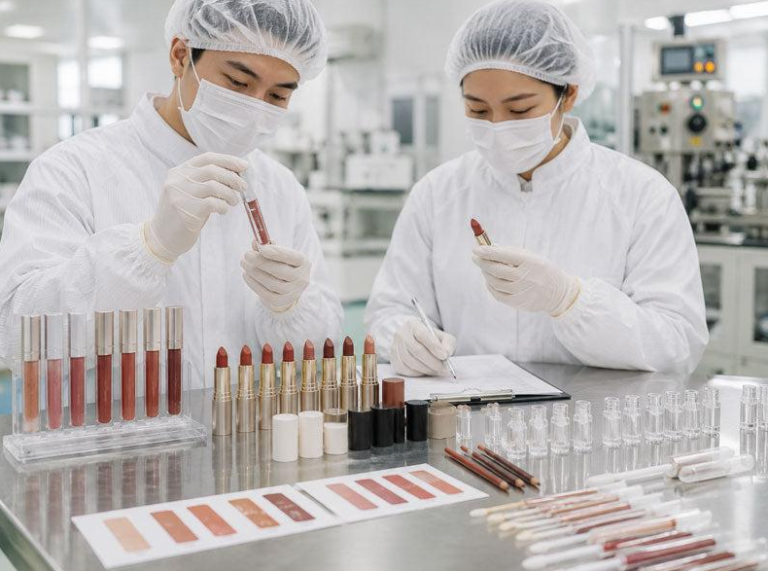
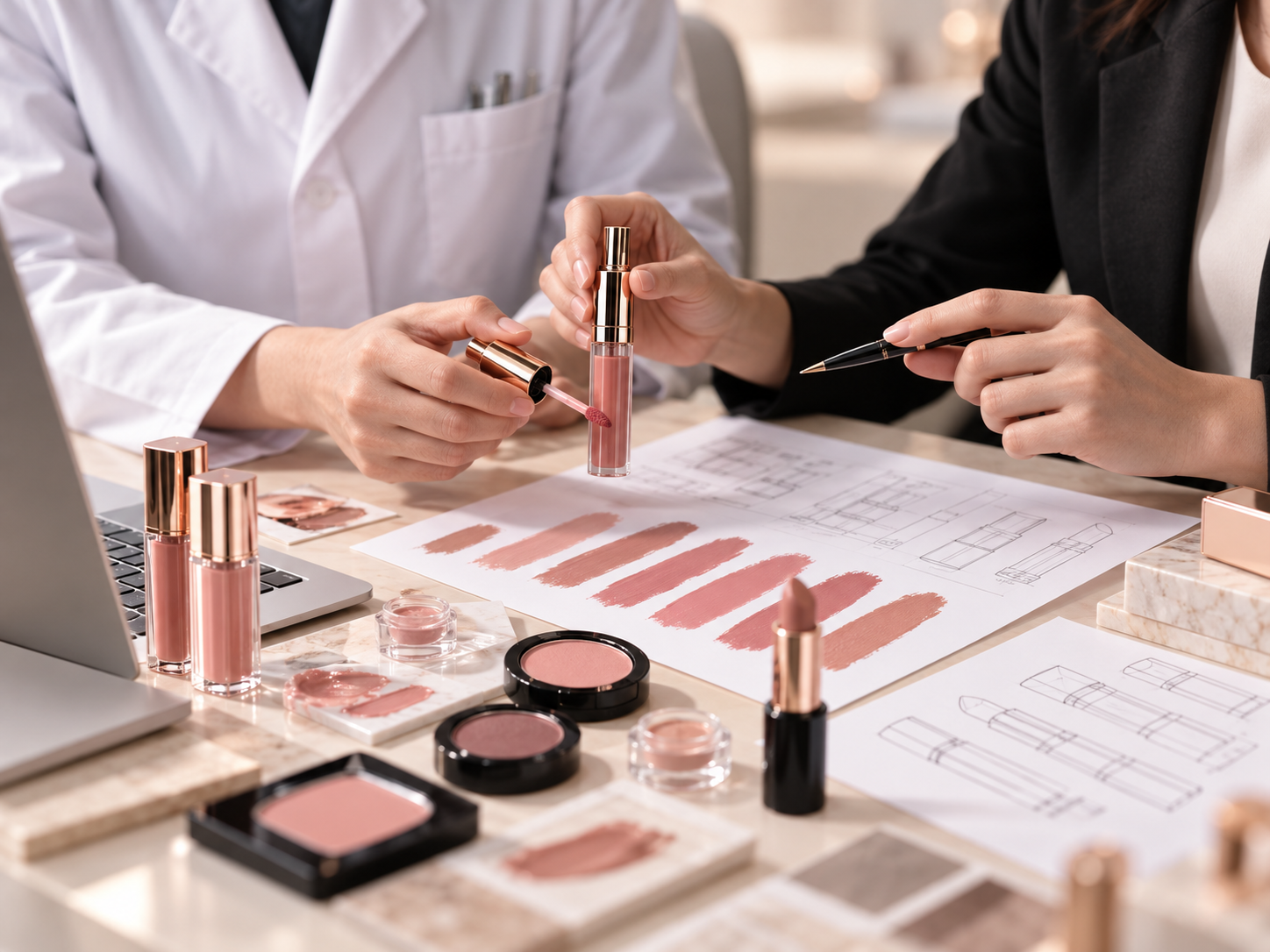
For color cosmetics, sample testing may include checking pigmentation, blendability, texture, finish, color accuracy, and application performance.
If adjustments are required, the manufacturer can make changes before the final sample is approved.
7. Confirm MOQ and Pricing
Once the product and packaging have been selected, the next step is to confirm the minimum order quantity and pricing.
MOQ can vary depending on the product, formula, packaging, printing, and customization requirements.
For new brands, it can be useful to compare different options, such as stock packaging versus custom packaging, to find a suitable balance between customization and initial investment.
8. Approve the Final Product
Before mass production begins, confirm all product specifications carefully.
These may include:
- Formula
- Color and shade
- Net weight
- Packaging size
- Logo and printing
- Product artwork
- Outer box
- Quantity
- Shipping marks
Clear approval at this stage helps reduce the risk of mistakes during mass production.
9. Start Mass Production
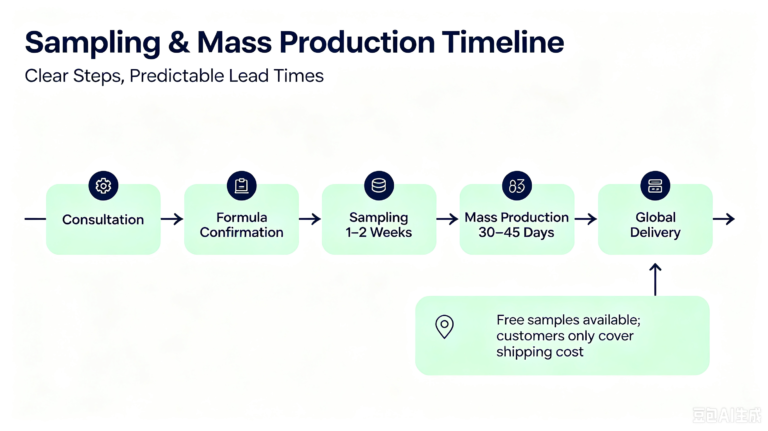
After the final sample and production details are approved, the manufacturer can begin mass production.
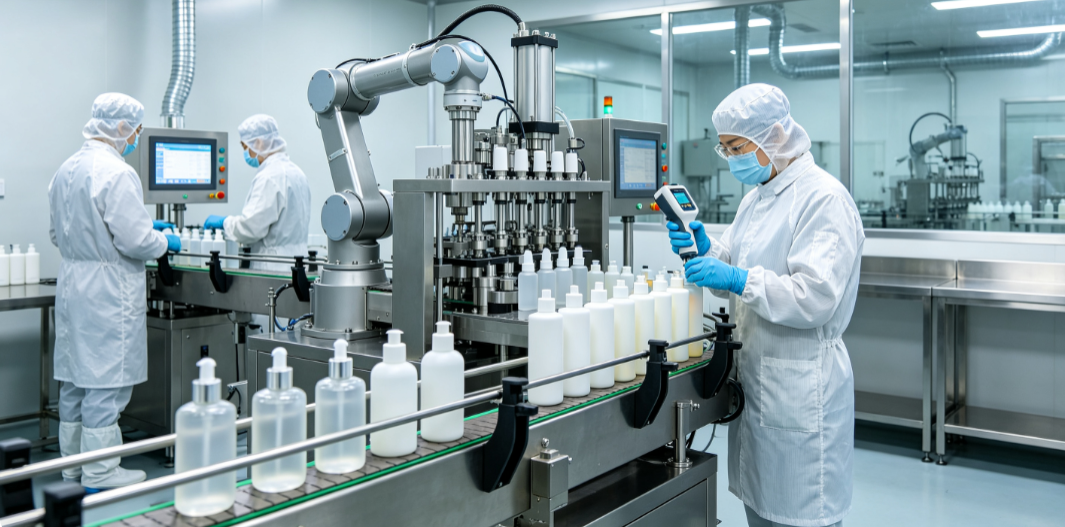
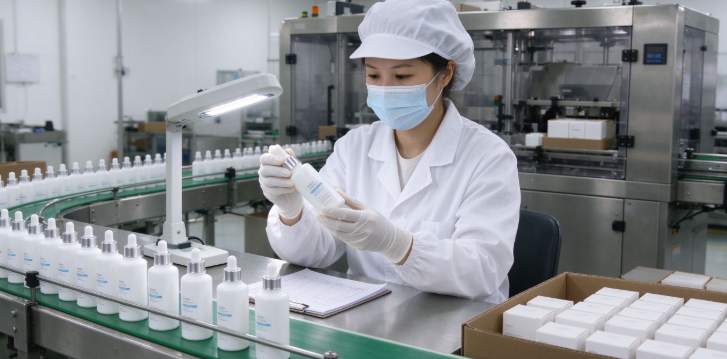
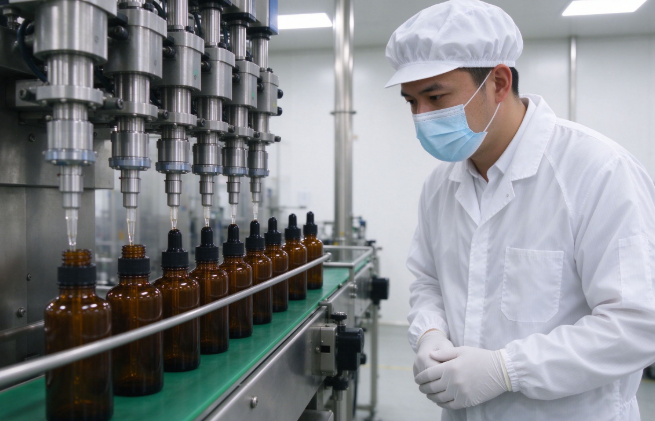
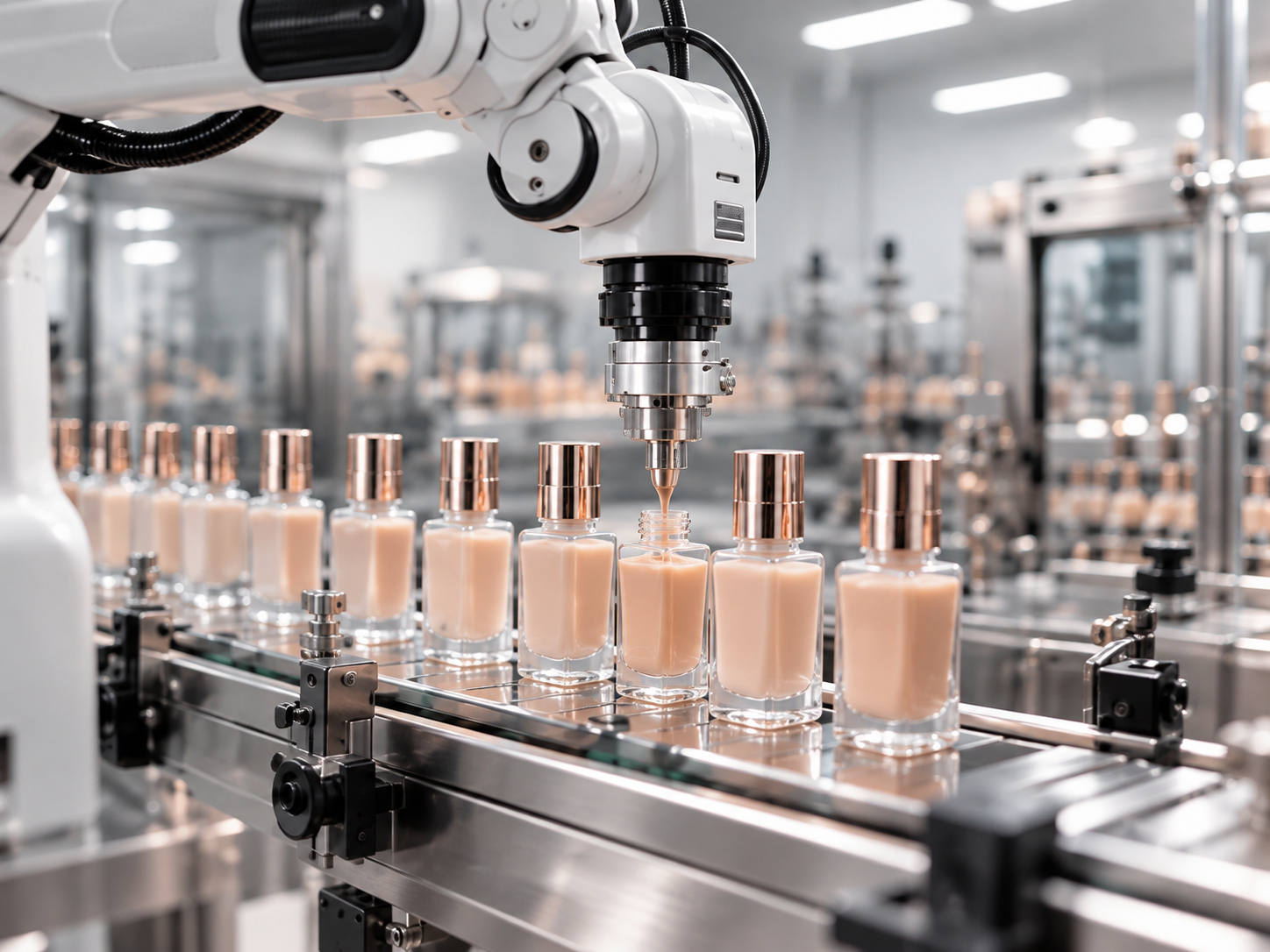
The production process may include raw material preparation, bulk manufacturing, filling, assembly, packaging, quality inspection, and final packing.
The actual production lead time depends on the product type, order quantity, packaging requirements, raw material availability, and production schedule.
10. Quality Control and Final Inspection
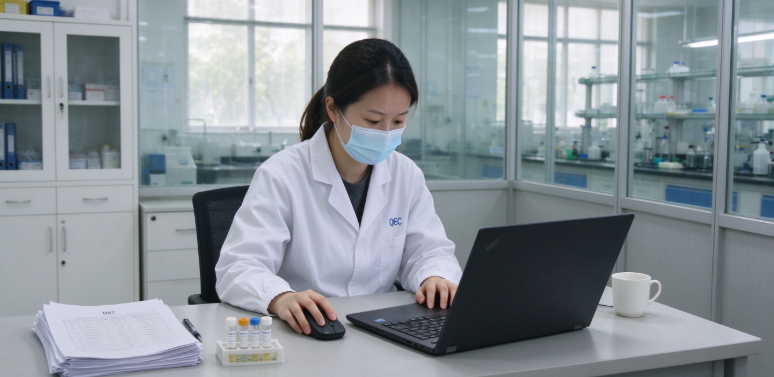
Quality control is an important part of private label cosmetic manufacturing.
Depending on the product, inspection may cover raw materials, packaging components, bulk products, filling, finished products, labeling, appearance, and quantity.
Brands should discuss quality requirements with their manufacturer before production begins so that both sides have a clear understanding of the product specifications.
How Much Does It Cost to Start a Private Label Makeup Line?
There is no single fixed cost for starting a private label makeup line.
The total investment can depend on:
- Number of products
- Order quantity
- Formula selection
- Packaging type
- Custom packaging requirements
- Logo and printing
- Sampling and development
- Product testing
- Shipping and other logistics costs
A new brand can often control its initial investment by starting with a focused product range, using mature formulas, selecting available packaging, and increasing customization as the brand grows.
Private Label vs. Custom Makeup
Private label and custom makeup are not always completely separate approaches. Many manufacturers provide both options.
Private label generally starts with an existing formula and packaging option that can be customized with the customer’s branding. Custom makeup allows the brand to have more control over the formula, colors, textures, packaging, and product specifications.
The best approach depends on your brand positioning, budget, timeline, and product requirements.
Why Work With an OEM/ODM Makeup Manufacturer?
An experienced OEM/ODM manufacturer can support multiple stages of product development under one supply chain.
Depending on the manufacturer, services may include:
- Formula development
- Color matching
- Product sampling
- Packaging sourcing
- Packaging customization
- Logo printing
- Mass production
- Quality control
- Product assembly
- Export preparation
This one-stop approach can simplify communication and reduce the need to coordinate with multiple suppliers.
Final Thoughts
Creating a private label makeup line involves much more than adding a logo to an existing product. Successful product development requires careful decisions about your target customers, product selection, formulas, packaging, branding, samples, MOQ, quality requirements, and production.
For new beauty brands, starting with a focused product range and working with an experienced OEM/ODM manufacturer can make the development process more manageable.
Ready to develop your own makeup line?Contact Us to Discuss Your Makeup Project product idea, formula, packaging, MOQ, and production requirements.