

How to Develop a Custom Eyeshadow Palette for Your Makeup Brand
A custom eyeshadow palette can become one of the signature products of a makeup brand. From shade selection and formula texture to palette layout and packaging, every detail can be developed around your brand concept and target customers.
For beauty brands looking to create a unique eyeshadow palette, working with an experienced OEM/ODM cosmetics manufacturer can simplify the process from product concept and color development to sampling, packaging, mass production, and quality control.
What Is a Custom Eyeshadow Palette?
A custom eyeshadow palette is a multi-shade makeup product developed according to a brand’s specific requirements.
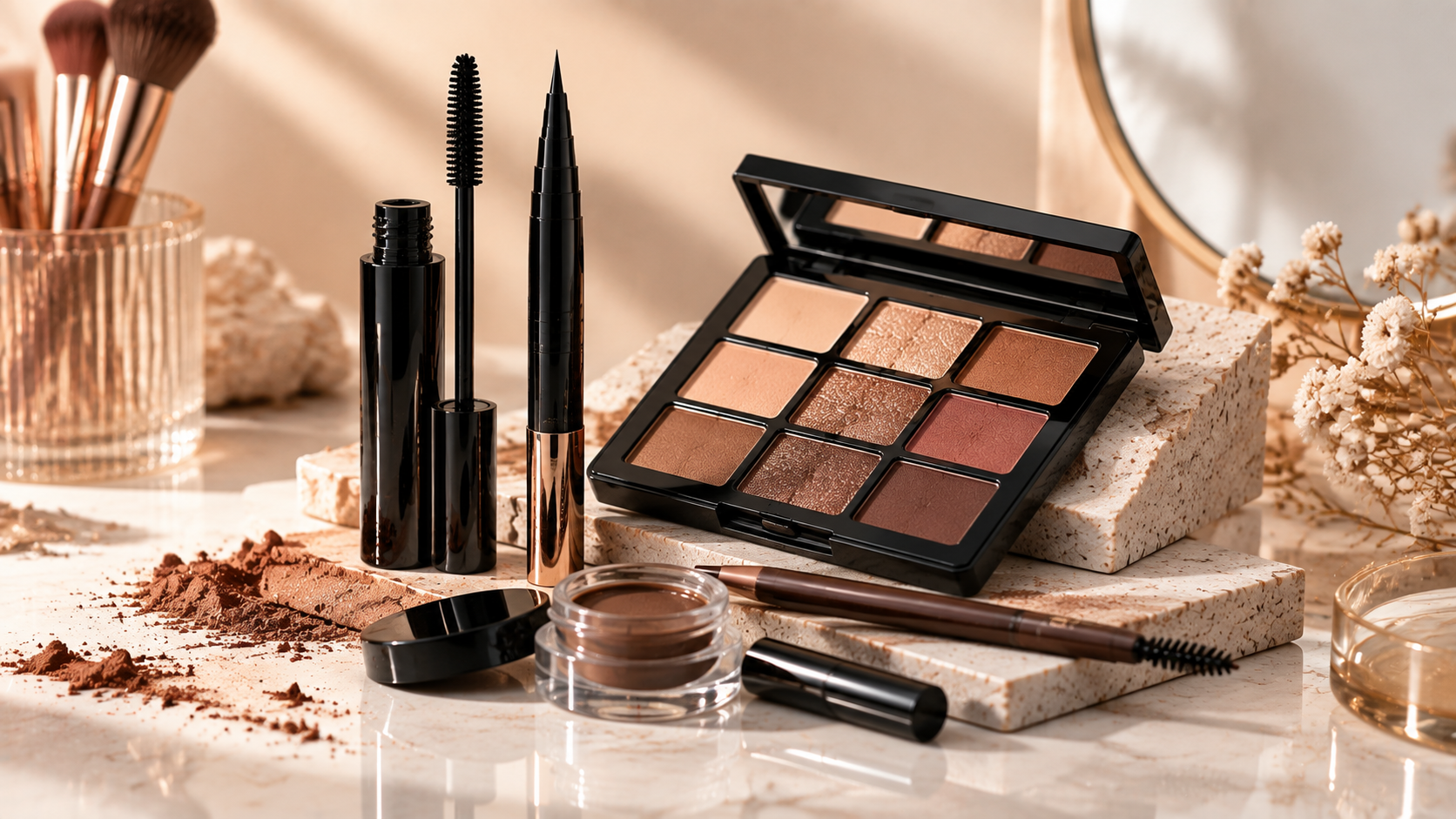
Unlike a standard private label palette, a custom palette can offer greater flexibility in areas such as shade combinations, finishes, formula textures, pan arrangements, packaging, logo placement, and overall design.
The level of customization depends on the product requirements, order quantity, packaging specifications, and manufacturing capabilities of the supplier.
1. Define Your Eyeshadow Palette Concept
Before choosing individual shades, define the overall concept of the palette.
Your concept should match your brand positioning and target customers. Some common directions include:
- Everyday neutral makeup
- Soft nude tones
- Romantic pink shades
- Warm brown and terracotta tones
- Cool-toned palettes
- Festival and colorful makeup
- Luxury evening makeup
- Seasonal or limited-edition collections
A clear concept makes it easier to select colors, finishes, packaging, and product artwork that work together as one collection.
2. Choose the Number of Eyeshadow Shades
The number of shades is another important decision when developing a custom palette.
Smaller palettes may focus on a specific makeup look, while larger palettes can provide more color combinations and creative possibilities.
When choosing the number of shades, consider the target price, packaging size, customer usage, and the number of colors needed to create the intended makeup looks.
A well-planned palette does not necessarily need a large number of shades. The goal is to create a useful and cohesive color story.
3. Select the Eyeshadow Finishes
Different finishes can give a palette more dimension and make the product suitable for different makeup styles.
Matte Eyeshadow
Matte shades are commonly used for base colors, transition shades, definition, and creating depth.
Shimmer Eyeshadow
Shimmer shades can add a luminous effect to the eyelids and work well for both everyday and evening makeup.
Metallic Eyeshadow
Metallic finishes can provide a stronger reflective effect and are often used as statement shades.
Glitter Eyeshadow
Glitter effects can add a more dramatic appearance and may be suitable for festival, party, or special-event makeup collections.
Wet-Effect Eyeshadow
Wet-effect or high-shine textures can create a glossy, dimensional appearance and can be developed as a distinctive feature within a modern eyeshadow palette.
Many custom palettes combine several finishes rather than using only one formula type. The final combination should be based on the intended makeup looks and product positioning.
4. Develop the Eyeshadow Formula
Formula development is one of the most important stages of custom eyeshadow manufacturing.
The formula can influence pigmentation, texture, application, blendability, payoff, finish, and overall user experience.
Depending on your requirements, an OEM/ODM manufacturer may work with an existing formula or develop and adjust a formula according to your product specifications.
Brands should clearly communicate their expectations for:
- Texture
- Pigmentation
- Finish
- Color payoff
- Blendability
- Fallout control
- Application feel
Physical samples are especially useful because eyeshadow performance can be difficult to evaluate accurately from photos alone.
5. Select and Match the Colors
Color development is another key part of creating a custom eyeshadow palette.
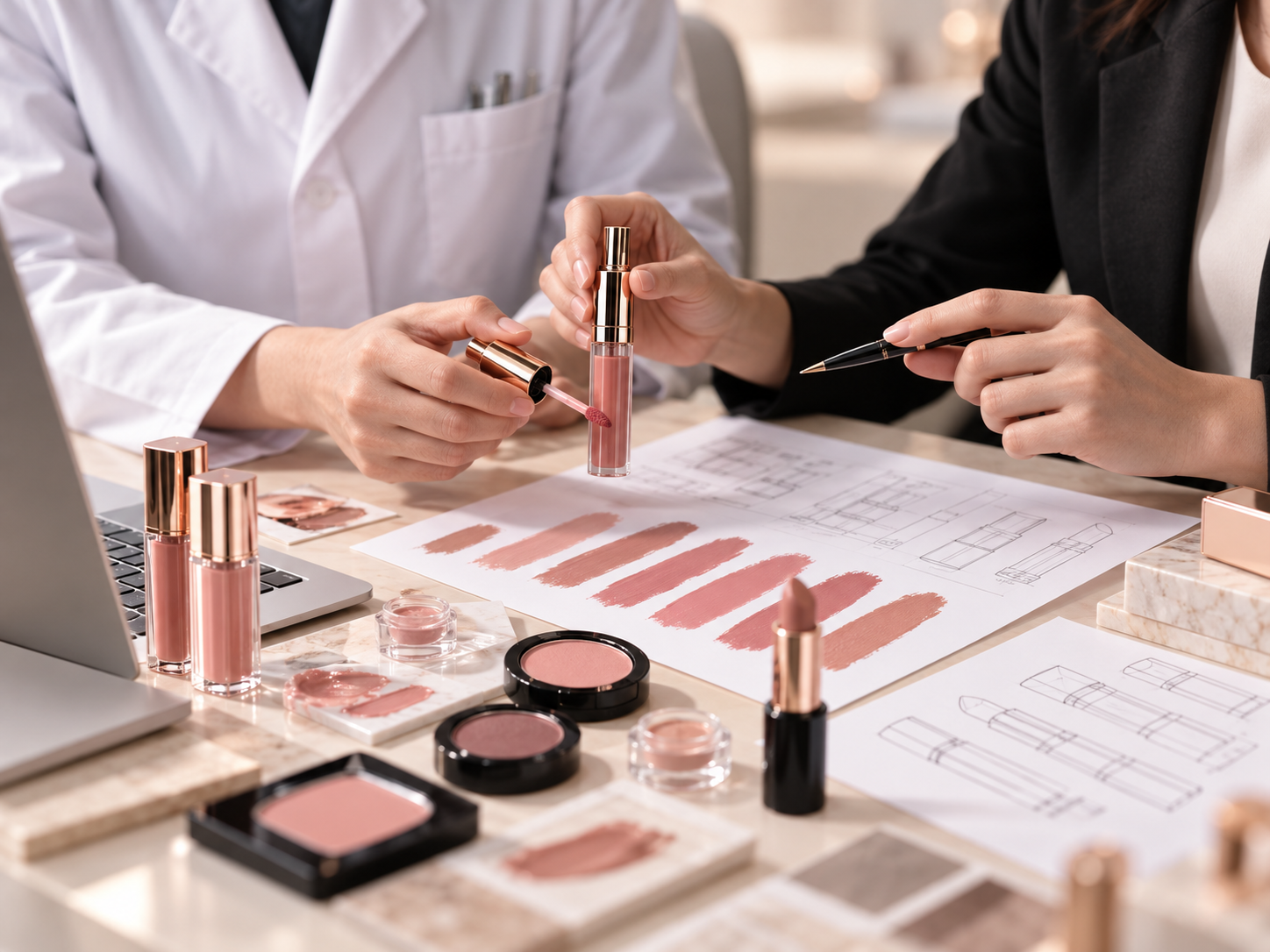
Brands can provide their desired colors using references such as physical samples, Pantone references, color images, or other approved product references. Physical samples can be particularly useful when accurate color matching is required.
When selecting shades, consider how the colors work together rather than evaluating each shade independently.
A complete palette may include:
- Base shades
- Transition shades
- Depth shades
- Accent colors
- Highlight shades
- Shimmer or metallic shades
6. Plan the Palette Layout
The arrangement of the pans can affect both the appearance and usability of the finished product.
Consider the following elements:
- Number of pans
- Pan shape
- Pan size
- Shade arrangement
- Spacing between shades
- Palette dimensions
- Mirror placement
- Applicator or brush placement
The layout should also be compatible with the selected packaging structure and production process.
7. Choose the Right Palette Packaging
Packaging is an important part of a custom eyeshadow palette because it affects both the visual identity and the overall product experience.
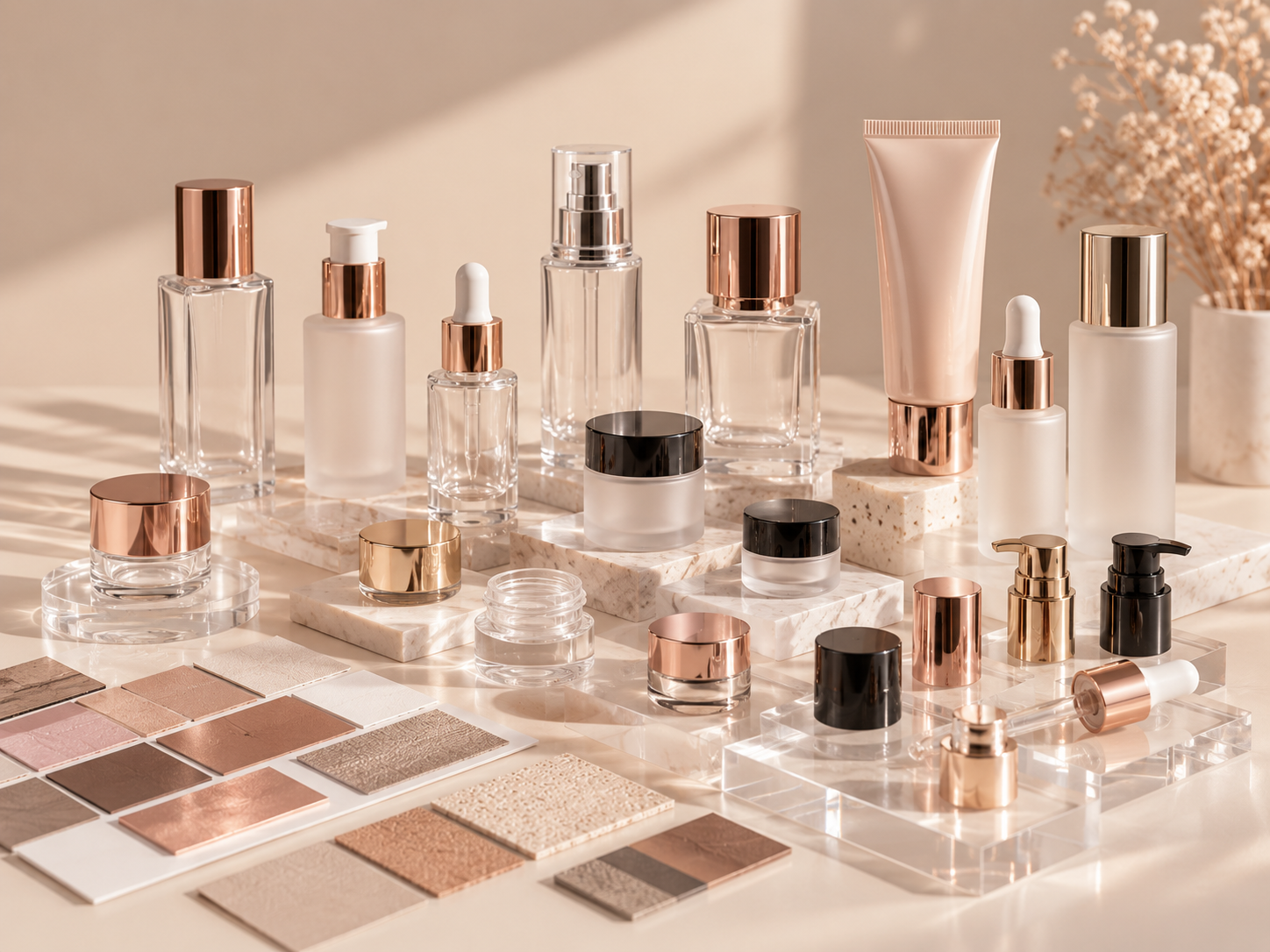
Depending on the product concept, brands may consider plastic, paperboard, acrylic, magnetic, or other packaging structures.
Packaging customization may include:
- Palette case color
- Material
- Logo
- Brand name
- Shade names
- Artwork
- Outer box
- Mirror
- Surface finish
8. Customize Your Logo and Packaging Design
Your logo and artwork should be confirmed carefully before packaging production begins.
Depending on the packaging material, manufacturers may offer printing and decoration options such as standard printing, foil effects, embossing, UV effects, or other surface finishes.
The final packaging design should clearly define the logo position, product name, shade information, required product text, colors, and other artwork details.
For international cosmetic products, labeling and product information should also be reviewed according to the requirements of the destination market.
9. Develop a Physical Sample
Before mass production, a physical sample should be reviewed and approved.
The sample allows the brand to evaluate:
- Shade accuracy
- Formula texture
- Pigmentation
- Finish
- Pan appearance
- Palette layout
- Packaging quality
- Logo and printing
If the sample does not meet the brand’s requirements, adjustments can be discussed before the bulk order is produced.
10. Test the Finished Palette
Product testing is an important part of the development process.
Depending on the product and target market, testing and documentation requirements may include formula-related testing, stability evaluation, microbiological testing, packaging compatibility, and other assessments appropriate to the product.
Brands should discuss applicable testing and regulatory requirements with their manufacturer based on the destination market before launching the product.
11. Confirm MOQ and Production Requirements
Once the formula, colors, packaging, and sample are approved, the manufacturer can confirm the production requirements.
MOQ can vary depending on the number of shades, formula requirements, packaging, printing, customization level, and order quantity.
For new brands, it may be useful to compare different solutions, such as existing formulas and packaging versus more extensive customization.
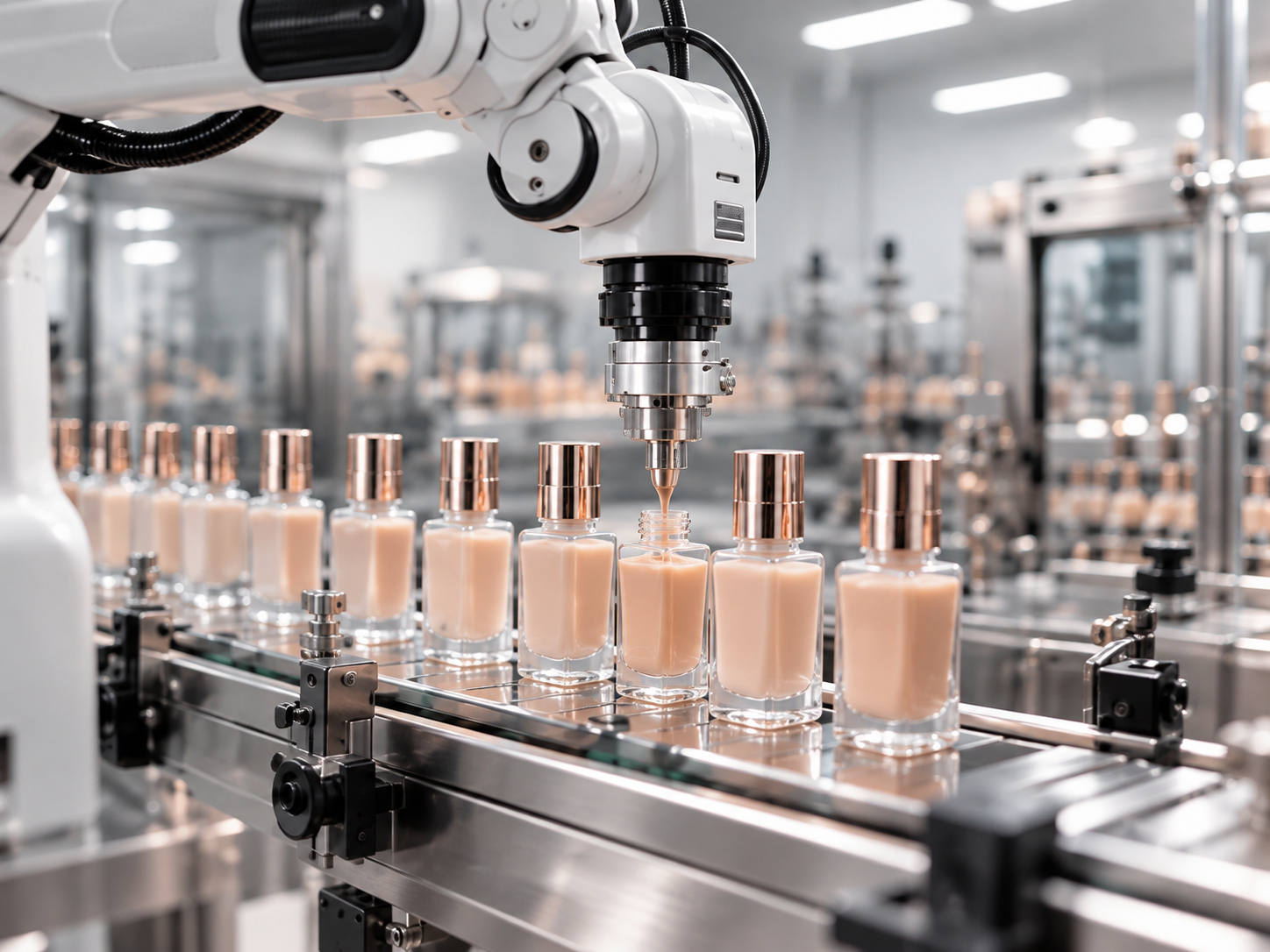
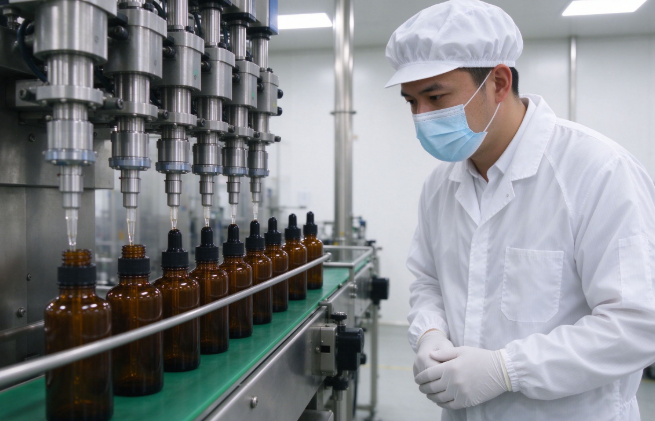
12. Start Mass Production
After final approval, the project can move into mass production.
A typical eyeshadow manufacturing process may include:
- Raw material preparation
- Formula and color preparation
- Powder mixing
- Color checking
- Pressing or filling
- Pan and palette assembly
- Packaging
- Quality inspection
- Final packing
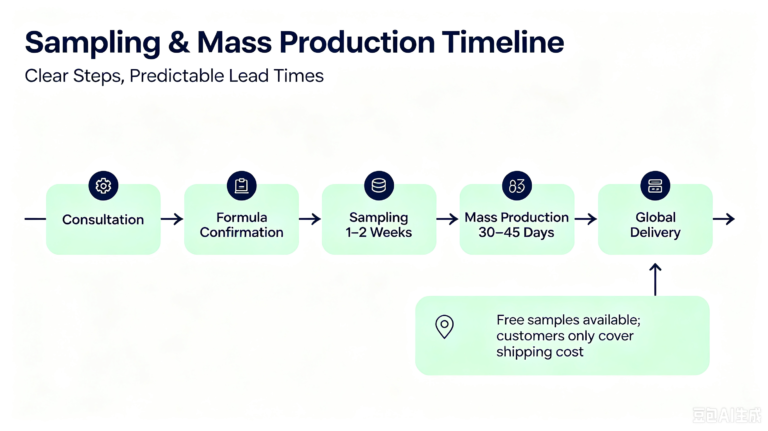
The actual production timeline depends on the product formula, quantity, packaging requirements, material availability, and factory production schedule.
How Much Does a Custom Eyeshadow Palette Cost?
There is no universal price for a custom eyeshadow palette. The total cost depends on the level of customization and the specifications of the project.
Important cost factors include:
- Number of shades
- Formula type
- Custom color development
- Pan size and material
- Palette case
- Mirror or accessories
- Outer box
- Logo printing
- Special packaging finishes
- Order quantity
- Custom molds
Brands should provide as much information as possible when requesting a quotation so that the manufacturer can calculate a more accurate price.
Custom Eyeshadow Palette vs. Private Label Palette
A private label eyeshadow palette generally starts with an existing product or formula and adds the brand’s own logo and packaging.
A custom eyeshadow palette provides more control over the shade combination, formula, texture, pan arrangement, packaging, and overall product concept.
For brands testing the market, private label products may offer a simpler starting point. For brands developing a signature product, a more customized OEM/ODM project may provide greater flexibility.
Tips for Developing a Successful Eyeshadow Palette
- Start with a clear color story.
- Choose shades that work well together.
- Balance matte and special finishes according to the product concept.
- Use physical samples to evaluate color and texture.
- Consider packaging size and usability.
- Confirm all artwork before printing.
- Test the final product before mass production.
- Discuss MOQ and production requirements early.
- Make sure product labeling meets the requirements of your target market.
Final Thoughts
Developing a custom eyeshadow palette involves much more than selecting a group of colors. Formula, texture, shade harmony, pan layout, packaging, branding, sampling, testing, and production all need to work together.
Working with an experienced OEM/ODM makeup manufacturer can help beauty brands manage these stages from product concept to finished palette.
Have an eyeshadow palette idea? Contact Us to Discuss Your Makeup Project product idea, formula, packaging, MOQ, and production requirements.